Sub-Total: $0.00
It starts in the vineyard.
Most non-alcoholic wine fails before it reaches the machine. Take the alcohol out of a wine and you take away body and perceived sweetness with it. Only fruit with real acidity and aromatic intensity survives the trip. So we went where that fruit grows: three of Washington State’s finest white-wine appellations, in the high desert of the Columbia Valley, at the latitude of Bordeaux and Burgundy. Hot days and cold desert nights ripen the grapes fully while holding on to their natural acidity — exactly what a wine needs to come through dealcoholization intact.
Yakima Valley
42% · Structure. Washington’s first appellation, established 1983, and home to many of the state’s oldest vineyards. Cooler sites and a long growing season give the wine its backbone: acidity, definition, length and the dry finish.
Wahluke Slope
34% · Body. A south-facing slope above the Columbia River and one of the warmest, driest appellations in the state. Sandy soils and almost no rain produce fully ripe fruit — the weight, the texture and the ripe stone fruit on the palate.
Ancient Lakes
24% · Aromatics. High, cool and dry, in a landscape carved by the Ice Age floods, with calcium-rich soils. Washington’s most respected appellation for aromatic whites — the grapefruit, citrus lift and cut grass that reach you before the glass does.
| Label | Details |
|---|---|
| Wine | Dealcoholized Sauvignon Blanc (97%) Vintage 2025 · Lot 254 |
| Vineyards | Holmason (Yakima Valley) · Rosebud (Wahluke Slope) · Evergreen (Ancient Lakes) |
| Dealcoholization | Spinning cone, at BevZero, Santa Rosa, California |
| Alcohol | Less than 0.5% ABV |
| Calories | 25 per 5 oz glass |
| Dietary | Vegan · Gluten-free · No added sugar or flavoring |
| Format | 750 mL · 12 bottles per case |
Why Most Non-Alcoholic Wine Tastes Like a Compromise. And Why This Doesn't.
Most non-alcoholic wine is bad because of how the alcohol is removed. Heat is cheap, and heat destroys wine. Boil off the alcohol and you cook away the aromatics with it — which is why so much of this category tastes like grape juice with something missing.
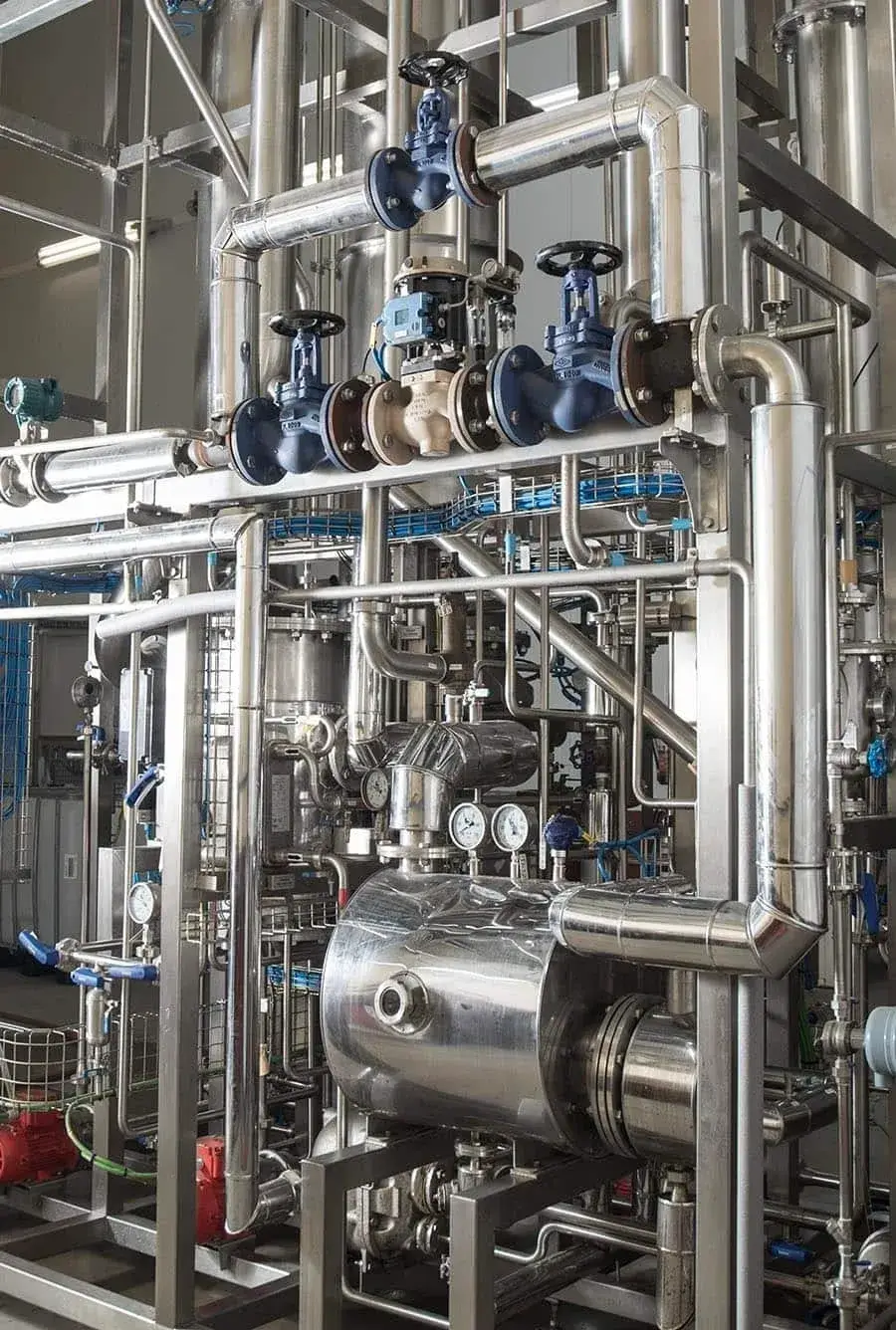
We start with real wine. Sauvignon Blanc from three Washington State appellations, fermented conventionally, complete before anything is taken out of it. Then we send it to BevZero in Santa Rosa, California, and run it through a spinning cone column — the most advanced dealcoholization technology available, and the reason Fraudonnay costs what it does.
Here is what happens inside it.
STAGE ONE — A thin film under deep vacuum
The wine enters a vertical column fitted with a series of rotating and stationary cones. As it travels downward, centrifugal force spreads it into a film a fraction of a millimeter thick. That creates an enormous surface area, which means separation happens quickly and gently. The column runs under deep vacuum, which lowers the boiling point dramatically. Nothing in the wine ever gets hot. Where conventional methods rely on high heat, this process works in the low-temperature range that leaves delicate compounds intact.
STAGE TWO — The aroma comes out first
At the gentlest setting, the column lifts off the volatile aromatic compounds — the esters and terpenes responsible for grapefruit, citrus lift and cut grass — and captures them as a concentrated essence. This is the soul of the wine, removed and protected before anything else happens to it.
STAGE THREE — The alcohol is removed
With the aromatics safely set aside, the de-aromatized wine passes through the column a second time and the ethanol is stripped out, leaving less than 0.5% ABV. The acidity, the structure and the body remain.
STAGE FOUR — The wine is put back together
The aroma essence captured in stage two is blended back into the dealcoholized base. What comes out is a wine that never saw high heat and never lost its character.
Nothing is cooked. Nothing is imitated. No flavoring is added, and no sugar. It was wine before, and it is wine after — with the alcohol taken out and everything else left in.
Less than 0.5% ABV. Twenty-five calories per five-ounce glass. Vegan. Gluten-free.
This is the process that lets indulgence and wellness coexist in the same glass. Regular wine asks you to choose. This doesn't.
Judged blind at actual shelf price by a trade-buyer panel of minimum four, Fraudonnay earned Double Gold and 96 points.